
Cost to Build Stress Management App in 2026
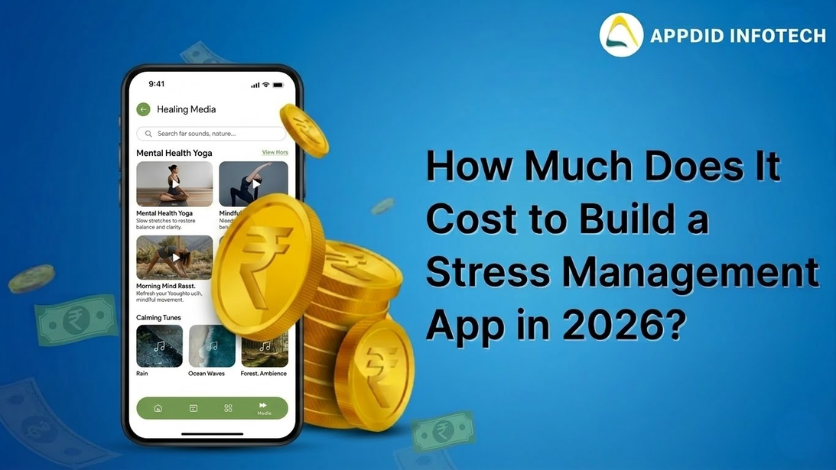
How Much Does It Cost to Build a Stress Management App in 2026?
Quick Summary
Building a stress management app in 2026 depends on factors like app complexity, AI integration, features, and platform choice. A basic stress relief or meditation app with core functionality may cost approximately ₹7,00,000 to ₹14,00,000 in India, while a mid-level app with advanced features such as personalized meditation programs, analytics, and integrations may range from ₹18,00,000 to ₹32,00,000. Highly advanced platforms with AI-powered personalization, therapy integrations, and large-scale infrastructure can exceed ₹35,00,000+ depending on development scope. Understanding the cost to develop stress relief app solutions requires evaluating the features, scalability, and technology stack involved in modern mental wellness platforms.
Introduction
Mental health awareness has grown significantly in recent years, and digital solutions are playing a major role in helping people manage stress and anxiety. Mobile applications focused on mindfulness, relaxation, and emotional well-being have become essential tools for millions of users worldwide.
Businesses and startups are increasingly exploring opportunities in mental health app development, especially in the areas of meditation, therapy support, and stress management. With rising demand for wellness technology, launching a stress management app in 2026 can be a promising opportunity.
Companies like Appdid help startups and businesses build scalable mobile applications tailored for modern digital health solutions. From design to deployment, the right development approach can turn an idea into a successful mental wellness platform.
This guide explains the key factors influencing development costs, important features, and technologies shaping the future of stress management apps.
Why Stress Management Apps Are Growing in 2026
The global mental wellness market is expanding rapidly as more people seek digital tools to manage stress, anxiety, and daily challenges.
Several factors are driving this growth:
-
Increased awareness of mental health
-
Busy lifestyles and workplace stress
-
Rising adoption of mobile wellness platforms
-
Growth of digital therapy and meditation services
These trends are encouraging entrepreneurs to explore mental health startup ideas that focus on accessible, technology-driven wellness solutions.
Key Features of a Stress Management App
To build a successful mental wellness platform, developers must focus on providing value-driven features that support users in managing stress effectively.
Guided Meditation Programs
Meditation is one of the most important features of modern wellness apps.
Common meditation features include:
-
Beginner meditation sessions
-
Guided breathing exercises
-
Mindfulness programs
-
Sleep meditation content
-
Stress relief audio sessions
These meditation app features help users relax, focus, and develop healthier mental habits.
Mood Tracking and Emotional Insights
Mood tracking allows users to monitor their emotional well-being over time.
Key capabilities include:
-
Daily mood logs
-
Stress level tracking
-
Emotional pattern analysis
-
Progress insights
This feature helps users better understand their mental state and identify stress triggers.
Breathing and Relaxation Exercises
Breathing exercises are highly effective for reducing stress and anxiety.
Apps may include:
-
Guided breathing timers
-
Visual breathing patterns
-
Short relaxation sessions
-
Mindfulness reminders
These tools provide immediate relief during stressful situations.
Personalized Wellness Plans
Personalized plans help users stay engaged with their mental health journey.
Features may include:
-
Customized meditation routines
-
Stress management tips
-
Personalized daily goals
-
Wellness recommendations
Personalization improves long-term engagement and retention.
Role of AI in Mental Health Apps
Artificial intelligence is transforming digital wellness platforms by making them more adaptive and personalized.
The integration of AI in mental health apps enables:
-
Personalized meditation recommendations
-
Behavioral analysis based on user activity
-
Intelligent mood tracking insights
-
AI-powered chat support for emotional guidance
AI technologies can analyze user patterns and provide suggestions that improve mental wellness outcomes.
Additional Features for Advanced Stress Management Apps
Beyond core functionality, advanced platforms often include additional capabilities to enhance the user experience.
Sleep Tracking Tools
Sleep plays a critical role in mental health. Stress management apps may include sleep tracking features that help users improve their sleep habits.
Therapist and Counselor Integration
Some mental wellness apps connect users with licensed therapists or coaches, offering guided support sessions and consultations.
Community and Support Groups
Community features allow users to connect with others facing similar challenges, fostering support and encouragement.
Progress Analytics
Users can track their progress through detailed analytics and reports that show improvements in mood, meditation habits, and stress levels.
Technologies Used in Stress Management App Development
Developing a modern wellness app requires a strong technology foundation.
Key technologies include:
-
Mobile frameworks for iOS and Android
-
Cloud infrastructure for data storage
-
Secure authentication systems
-
AI and machine learning tools
-
Analytics and tracking systems
These technologies ensure that stress management apps are secure, scalable, and user-friendly.
Factors That Influence Development Cost
Several factors determine the overall cost of building a stress management application.
App Complexity
Basic apps with limited features are less expensive, while advanced apps with AI capabilities require larger investments.
Platform Selection
Developing for both iOS and Android increases the development scope compared to launching on a single platform.
Design and User Experience
High-quality user interface design improves engagement but also increases development time and effort.
AI Integration
Adding AI-driven personalization and analytics increases development complexity but significantly enhances user experience.
Third-Party Integrations
Integrating tools such as payment gateways, health tracking devices, or therapy platforms can affect the development budget.
Mental Health App Development Opportunities
The wellness technology sector presents numerous opportunities for entrepreneurs and businesses.
Some promising mental health startup ideas include:
-
AI-powered therapy apps
-
Workplace stress management platforms
-
Meditation and mindfulness apps
-
Emotional wellness tracking platforms
-
Digital therapy marketplaces
Businesses entering this space can address real user needs while building scalable digital products.
Why Businesses Are Investing in Mental Health Apps
Mental wellness platforms provide both social impact and strong business potential.
Benefits for businesses include:
-
Growing global demand for mental health solutions
-
High user engagement with wellness apps
-
Subscription-based monetization opportunities
-
Expansion into corporate wellness programs
These factors make stress management app development an attractive opportunity for startups and enterprises alike.
FAQs
What is a stress management app?
A stress management app helps users reduce stress and improve mental well-being through tools such as meditation, breathing exercises, mood tracking, and mindfulness programs.
What features should a meditation app include?
Important meditation app features include guided meditation sessions, breathing exercises, sleep support, mood tracking, and personalized wellness plans.
How is AI used in mental health apps?
AI is used to analyze user behavior, provide personalized recommendations, offer chatbot support, and track emotional patterns to improve user outcomes.
Are stress management apps profitable?
Yes. Many mental wellness apps generate revenue through subscriptions, premium content, therapy sessions, and corporate wellness partnerships.
Can startups build successful mental health apps?
Yes. With the increasing demand for digital wellness solutions, startups can succeed by building innovative and user-friendly mental health platforms.
Conclusion
The demand for digital mental wellness solutions continues to grow as people seek convenient ways to manage stress and improve their emotional well-being. Building a stress management app in 2026 requires thoughtful planning, strong technology infrastructure, and a focus on user experience.
Businesses that invest in modern wellness platforms can create meaningful digital products while tapping into a rapidly expanding market.
Appdid helps startups and businesses develop innovative mobile applications designed for scalability, performance, and user engagement.
Ready to Build Your Stress Management App?
Turn your wellness app idea into a powerful digital platform that helps people manage stress and improve their mental health.
Contact Appdid today and start building your next mental wellness application.