
Build a Medicine Delivery App: Complete Guide
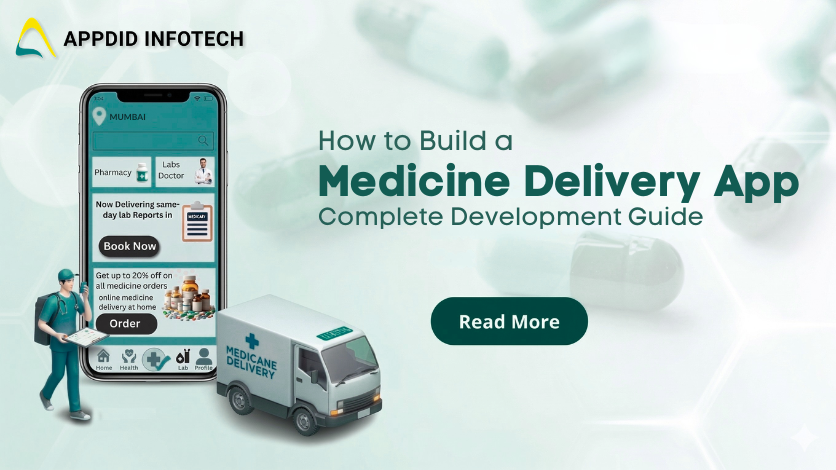
How to Build a Medicine Delivery App: Complete Development Guide
Quick Summary
Building a medicine delivery app in 2026 requires a combination of user-friendly design, secure infrastructure, and compliance with healthcare regulations. A successful platform includes features like prescription uploads, real-time tracking, secure payments, and pharmacy integration. Advanced apps also use AI for recommendations, inventory management, and delivery optimization. Businesses investing in a Medicine Delivery App can tap into the rapidly growing digital healthcare market, improve accessibility, and create scalable on-demand pharmacy solutions.
Introduction
The healthcare industry is rapidly embracing digital transformation, and medicine delivery apps are becoming an essential part of modern healthcare services. With increasing demand for convenience and contactless services, users now prefer ordering medicines online and getting them delivered to their doorstep.
Startups and enterprises are actively exploring opportunities in this space as digital pharmacy platforms continue to grow. Building a reliable and scalable Medicine Delivery App requires the right strategy, features, and technology stack.
For businesses planning to develop such solutions, working with experienced teams like Appdid ensures the app is secure, compliant, and designed for long-term growth.
This guide will walk you through everything you need to know about developing a medicine delivery app, including features, technology, and business models.
Why Medicine Delivery Apps Are Growing
The demand for online pharmacy apps is increasing due to several key factors:
-
Rising adoption of digital healthcare solutions
-
Growing need for convenience and home delivery
-
Increased awareness of health and wellness
-
Expansion of telemedicine services
-
Demand for contactless delivery options
These trends make medicine delivery platforms a strong opportunity for startups and healthcare businesses.
Types of Medicine Delivery Apps
Before development, it’s important to choose the right business model.
1. Pharmacy-Based Apps
These apps are developed for individual pharmacies to manage orders and deliveries directly.
2. Aggregator Platforms
These platforms connect multiple pharmacies with users, similar to marketplace models.
3. Prescription-Based Apps
These apps require users to upload prescriptions before ordering medicines, ensuring compliance with healthcare regulations.
Must-Have Features of a Medicine Delivery App
User Panel Features
A user-friendly interface is essential for customer satisfaction.
Key features include:
-
Easy registration and login
-
Search medicines by name or category
-
Upload prescription option
-
Order placement and checkout
-
Real-time order tracking
-
Secure payment options
-
Order history and reordering
These features ensure a smooth user experience
Pharmacy Panel Features
Pharmacies need tools to manage inventory and orders efficiently.
Key features include:
-
Inventory management system
-
Order management dashboard
-
Prescription verification tools
-
Pricing and discount management
-
Sales reports and analytics
This helps pharmacies streamline operations.
Delivery Partner Features
Delivery management is crucial for timely service.
Key features include:
-
Order notifications
-
Route optimization
-
Real-time navigation
-
Delivery status updates
-
Earnings tracking
Efficient delivery systems improve customer satisfaction.
Advanced Features for 2026
AI-Based Recommendations
AI helps suggest medicines and healthcare products based on user history and preferences.
Chat and Teleconsultation
Users can consult doctors or pharmacists directly within the app.
Subscription Models
Users can subscribe for regular medicine deliveries, especially for chronic conditions.
Smart Notifications
Reminders for medicine intake, refills, and health tips improve engagement.
Technology Stack for Medicine Delivery App Development
Building a scalable app requires the right technology.
Common technologies include:
-
Frontend: React Native, Flutter
-
Backend: Node.js, Django
-
Database: MongoDB, PostgreSQL
-
Cloud: AWS, Google Cloud
-
Payment gateways: Razorpay, Stripe
-
APIs for maps and notifications
Choosing the right stack ensures performance and scalability.
Legal and Compliance Requirements
Healthcare apps must follow strict regulations.
Important considerations:
-
Prescription verification for restricted medicines
-
Data privacy and security compliance
-
Licensing for pharmacies
-
Secure payment processing
-
Compliance with local healthcare laws
Ignoring compliance can lead to legal issues.
Steps to Build a Medicine Delivery App
Step 1: Market Research
Understand your target audience, competitors, and market demand.
Step 2: Define Features
Decide on core and advanced features based on your business model.
Step 3: Choose Technology Stack
Select technologies that align with scalability and performance goals.
Step 4: UI/UX Design
Create a simple and intuitive design for better user engagement.
Step 5: Development
Build the app with proper backend, frontend, and integrations.
Step 6: Testing
Test the app for bugs, security issues, and performance.
Step 7: Launch and Marketing
Deploy the app and promote it through digital marketing strategies.
How Medicine Delivery Apps Make Money
There are multiple revenue models for a Medicine Delivery App:
-
Commission from pharmacies
-
Delivery charges
-
Subscription plans
-
Featured listings for pharmacies
-
Advertising and promotions
A strong monetization strategy ensures long-term profitability.
Challenges in Medicine Delivery App Development
Some common challenges include:
-
Managing real-time inventory
-
Ensuring regulatory compliance
-
Handling logistics efficiently
-
Maintaining data security
-
Building user trust
Overcoming these challenges is key to building a successful platform.
FAQs
1. What is a medicine delivery app?
A medicine delivery app allows users to order medicines online and get them delivered to their doorstep.
2. How long does it take to build a medicine delivery app?
Development typically takes 3–6 months depending on features and complexity.
3. Is it legal to sell medicines online?
Yes, but it requires proper licenses, prescription verification, and compliance with healthcare regulations.
4. What features are essential in a medicine delivery app?
Key features include prescription upload, search functionality, secure payments, order tracking, and pharmacy integration.
5. Can startups build medicine delivery apps?
Yes, startups can enter this market with the right strategy, features, and compliance measures.
Conclusion
The demand for digital healthcare solutions continues to grow, making medicine delivery apps a valuable opportunity for businesses. By focusing on user experience, compliance, and advanced features, companies can build scalable and successful platforms.
If you are planning to develop a high-performance Medicine Delivery App in Thane, Mumbai, choosing the right development partner is essential.
Appdid specializes in building secure, scalable, and user-friendly healthcare applications tailored to your business needs.
Ready to Build Your Medicine Delivery App?
Turn your idea into a powerful healthcare platform that delivers convenience and value to users.
Contact Appdid today and start building your next medicine delivery solution