
iOS vs Android Development: Which Is Better?
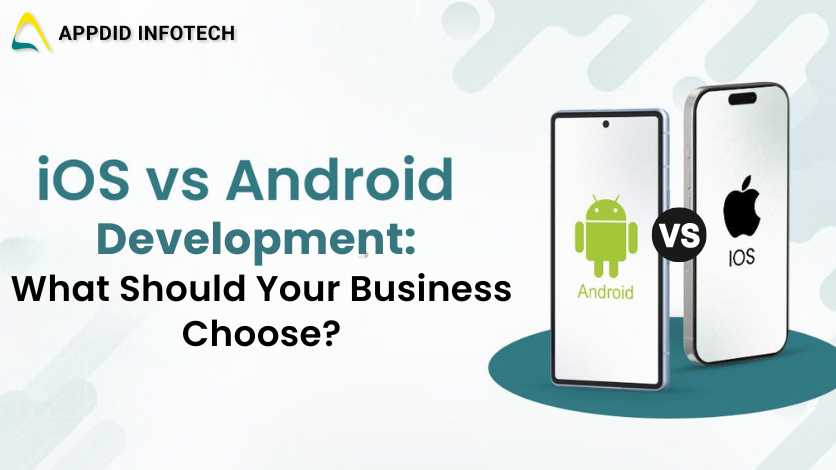
iOS vs Android Development: What Should Your Business Choose?
Quick Summary
-
iOS and Android dominate the global mobile market, but each platform offers unique advantages for businesses.
-
iOS apps generally generate higher revenue per user, making them ideal for premium audiences.
-
Android offers larger global reach and flexibility for businesses targeting mass markets.
-
Development costs, user demographics, and business goals should guide platform decisions.
-
Many businesses choose cross-platform or dual-platform development for maximum reach.
-
Understanding iOS vs Android development helps companies invest in the right mobile strategy and achieve better ROI.
Introduction
Mobile apps have become a core part of digital business strategies. Whether you are launching a startup, scaling an eCommerce brand, or building a digital service platform, choosing the right mobile platform is one of the most important decisions you will make.
Businesses often face a common question: Should we build an iOS app or an Android app first?
Both platforms dominate the mobile ecosystem, but they serve different markets, user behaviors, and monetization strategies. Understanding the differences in iOS vs Android development can help businesses make informed decisions that align with their goals, target audience, and budget.
Understanding the Mobile Market Landscape
Before choosing a platform, it is important to understand the current mobile market.
Android currently holds the largest global market share, especially in emerging markets like Asia, Africa, and South America. iOS, on the other hand, dominates premium smartphone segments and has a strong presence in countries like the United States, Canada, and Western Europe.
This means the best platform for your business often depends on where your customers are located and how they interact with technology.
Key Differences Between iOS and Android Development
1. Market Reach and User Demographics
One of the biggest differences between the platforms is their user base
Android
-
Larger global user base
-
Popular in emerging markets
-
Wide range of device prices
-
Strong presence in developing countries
iOS
-
Premium user base
-
Higher spending power
-
Strong presence in developed markets
-
Loyal customer ecosystem
If your business targets mass adoption and global reach, Android may be the ideal starting point. However, if you focus on high-value customers, iOS could deliver better returns.
2. Development Cost and Time
Cost is another critical factor when comparing the two platforms.
iOS Development
-
Faster development cycles
-
Limited device variations
-
Easier testing and debugging
-
Generally lower maintenance complexity
Android Development
-
Larger device fragmentation
-
Multiple screen sizes and hardware types
-
Longer testing processes
-
Higher maintenance requirements
Because Android runs on thousands of devices, developers must ensure compatibility across different manufacturers, which can increase development time.
3. Revenue and Monetization Potential
When evaluating iOS vs Android development, monetization potential plays a major role.
Research consistently shows that iOS users spend more on apps and in-app purchases compared to Android users.
Typical monetization advantages of iOS include:
-
Higher app purchase rates
-
Strong subscription model adoption
-
Higher average revenue per user
Android apps often rely more on advertising and larger user volumes to generate revenue.
4. App Store Approval Process
Both platforms have different app publishing guidelines.
Apple App Store
-
Strict review process
-
High quality standards
-
Better app security
-
Lower chances of malicious apps
Google Play Store
-
Faster approval process
-
Less restrictive guidelines
-
Easier updates and iterations
While Apple's approval process takes longer, it also ensures higher quality applications.
5. Design and User Experience
User experience is critical for mobile applications.
iOS Design Approach
Apple provides strict design guidelines through Human Interface Guidelines, ensuring consistency across apps.
Benefits include:
-
Clean interface
-
Smooth animations
-
Consistent navigation patterns
Android Design Approach
Android uses Material Design, offering greater customization and flexibility.
Benefits include:
-
More design freedom
-
Custom UI elements
-
Device-specific customization
6. Security and Privacy
Security is becoming increasingly important for modern applications.
iOS Security Advantages
-
Closed ecosystem
-
Strict app store review
-
Strong data privacy policies
Android Security
Android’s open ecosystem allows greater flexibility but also increases potential vulnerabilities if security practices are not properly implemented.
For businesses handling sensitive user data, security considerations should be part of the platform decision.
When Should Businesses Choose iOS Development?
iOS development is often the best option for businesses that:
-
Target premium customers
-
Focus on subscription-based models
-
Operate in North America or Europe
-
Require high app performance and security
Many fintech, lifestyle, and SaaS companies start with iOS because of higher monetization potential.
When Should Businesses Choose Android Development?
Android development is ideal for businesses that:
-
Want maximum global reach
-
Target emerging markets
-
Focus on advertising-based revenue
-
Require device flexibility
Industries like eCommerce, food delivery, ride-hailing, and social platforms often prioritize Android due to its large user base.
Should Businesses Build for Both Platforms?
In many cases, the best strategy is launching apps for both platforms.
Benefits include:
-
Maximum market reach
-
Higher brand visibility
-
Better user acquisition
-
Increased revenue opportunities
However, building two native apps requires higher investment and development time.
This is why many businesses now use cross-platform development frameworks that allow developers to build apps for both platforms using a single codebase.
Cross-Platform Development: A Modern Alternative
Cross-platform frameworks like Flutter and React Native allow businesses to build applications for both iOS and Android simultaneously.
Advantages include:
-
Faster development
-
Lower costs
-
Unified user experience
-
Easier maintenance
For startups and growing businesses, cross-platform development can be a cost-effective solution.
How the Right Platform Choice Impacts Business Growth
Choosing the right mobile platform is not just a technical decision—it’s a strategic business move.
The right choice can help businesses:
-
Reach the right target audience
-
Optimize development costs
-
Increase revenue opportunities
-
Improve customer engagement
-
Scale digital products faster
Understanding the long-term impact of iOS vs Android development helps businesses build sustainable mobile strategies.
FAQs
Which platform is better for startups: iOS or Android?
It depends on the target audience and budget. Startups targeting premium markets often begin with iOS, while businesses targeting larger audiences may start with Android.
Is Android development more expensive than iOS?
Android development can sometimes be more complex due to device fragmentation and multiple screen sizes, which may increase testing and maintenance costs.
Can businesses launch apps on both platforms simultaneously?
Yes. Businesses can either build separate native apps or use cross-platform frameworks to launch on both platforms.
Which platform generates more revenue?
Historically, iOS apps generate higher revenue per user due to stronger in-app purchase and subscription behavior.
How long does it take to build a mobile app?
Development timelines vary based on complexity, features, and design. Most mobile apps take 3–6 months to build.
Conclusion
Both iOS and Android platforms offer powerful opportunities for businesses looking to build successful mobile applications. The right choice depends on your audience, business goals, budget, and long-term growth strategy.
Understanding the strengths and limitations of each platform allows companies to make informed decisions and build apps that deliver real value to users.
If you are planning to launch a mobile application and need expert guidance, working with the right development partner is essential.
Appdid specializes in building high-performance mobile applications for startups and enterprises. From strategy and design to development and deployment, the team helps businesses create scalable apps that drive growth.
Ready to Build Your Mobile App?
Turn your idea into a powerful digital product that reaches the right audience and generates real business results.
Contact Appdid today and start building your next mobile app.